Télescopes et matériel
Choose your gear by what you want to observe
Binoculars, refractors, and Dobsonian reflectors each suit different targets and budgets. We explain their field advantages, the role of aperture and mount stability, and the common purchasing mistakes beginners can avoid.
Three starting points
Binoculars, refractors, and reflectors
Each instrument has a distinct role in the night sky. Compare them by field of view, portability, and the kinds of objects they reveal.
Binoculars
The most intuitive starting point. A wide field of view makes it easy to find star clusters and the Moon's craters, and they are simple to carry outdoors.
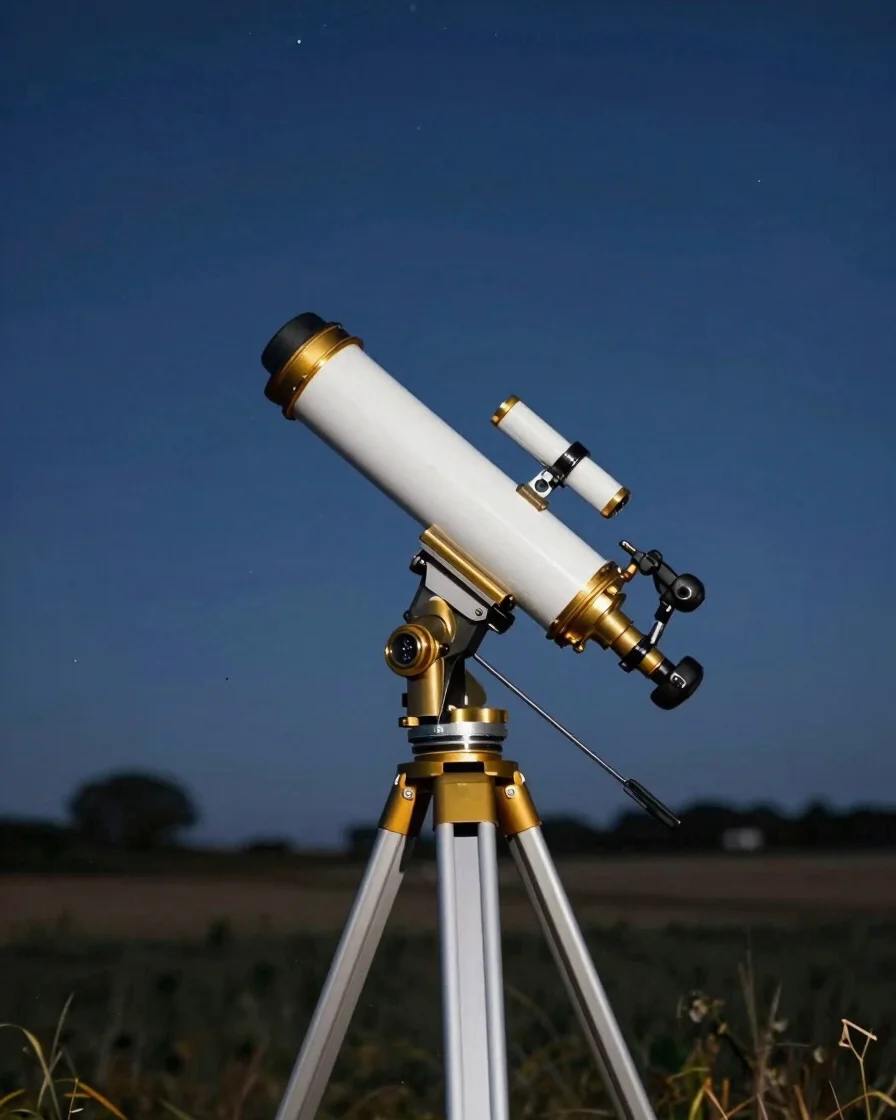
Refractor telescopes
Lenses gather light without a central obstruction, giving sharp contrast on planets and the Moon. They are compact, though larger apertures cost more.
Dobsonian reflectors
Mirrors offer large aperture for the price, ideal for faint deep-sky objects. Their size and weight make them better suited to fixed observing sites.
Understanding the specifications
Aperture, focal ratio, and mount stability
Aperture determines how much light an instrument gathers, which governs how faint an object you can see. A larger opening reveals more detail, but only if the image stays steady.
Focal length combined with eyepiece focal length sets magnification, and a high magnification on a wobbly mount blurs the view. Choose a stable mount before chasing power, and check the focal ratio against the kind of observing you plan to do.