
Étoiles et constellations
Read the sky, then the stars behind it
Learn to find the major constellations overhead, then follow the light back to the stellar life cycles that make each point of light worth knowing.
Seasonal skies
Constellations by season
Each season brings a different part of the sky into view from France. Use these familiar groupings as signposts for finding nearby nebulae, star clusters, and companion stars.
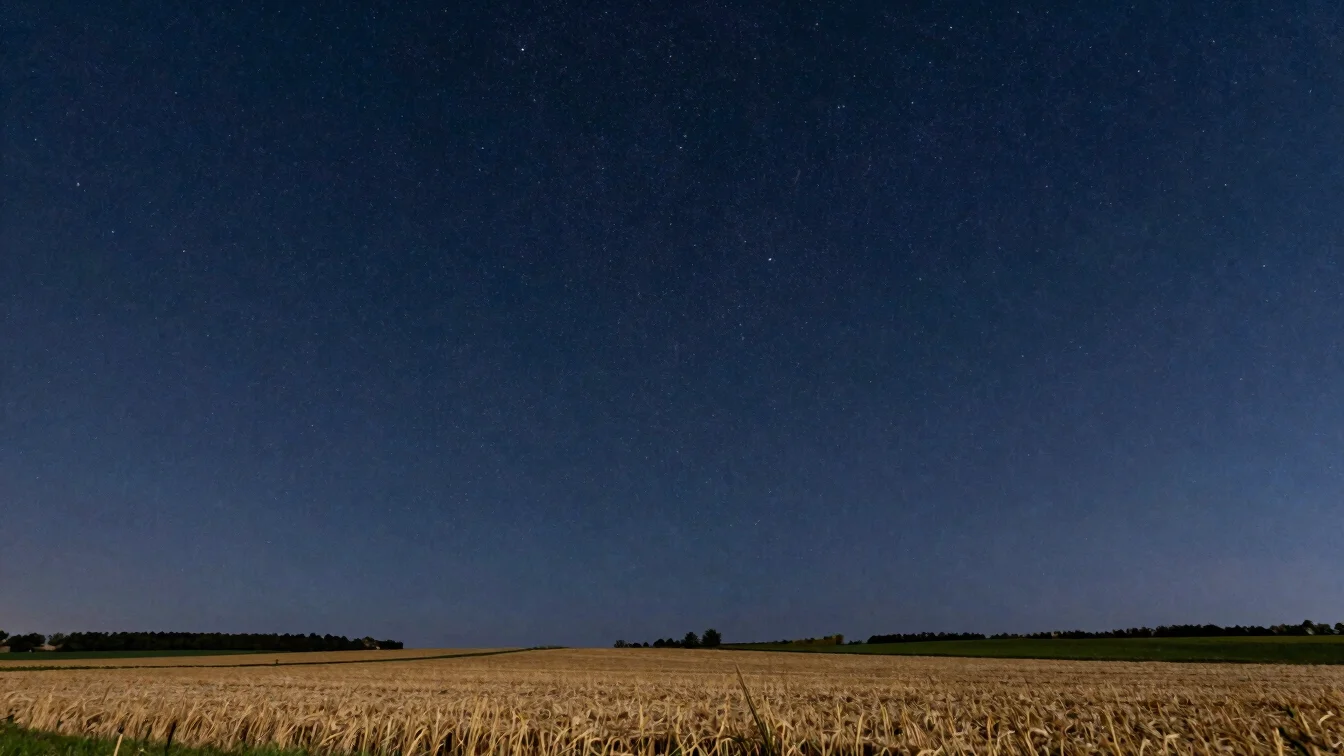
Spring: Big Dipper and Leo
Look north for the Big Dipper, then follow its pointer stars toward Polaris. In the spring evenings, Leo rises in the east, with the bright star Regulus at its base.
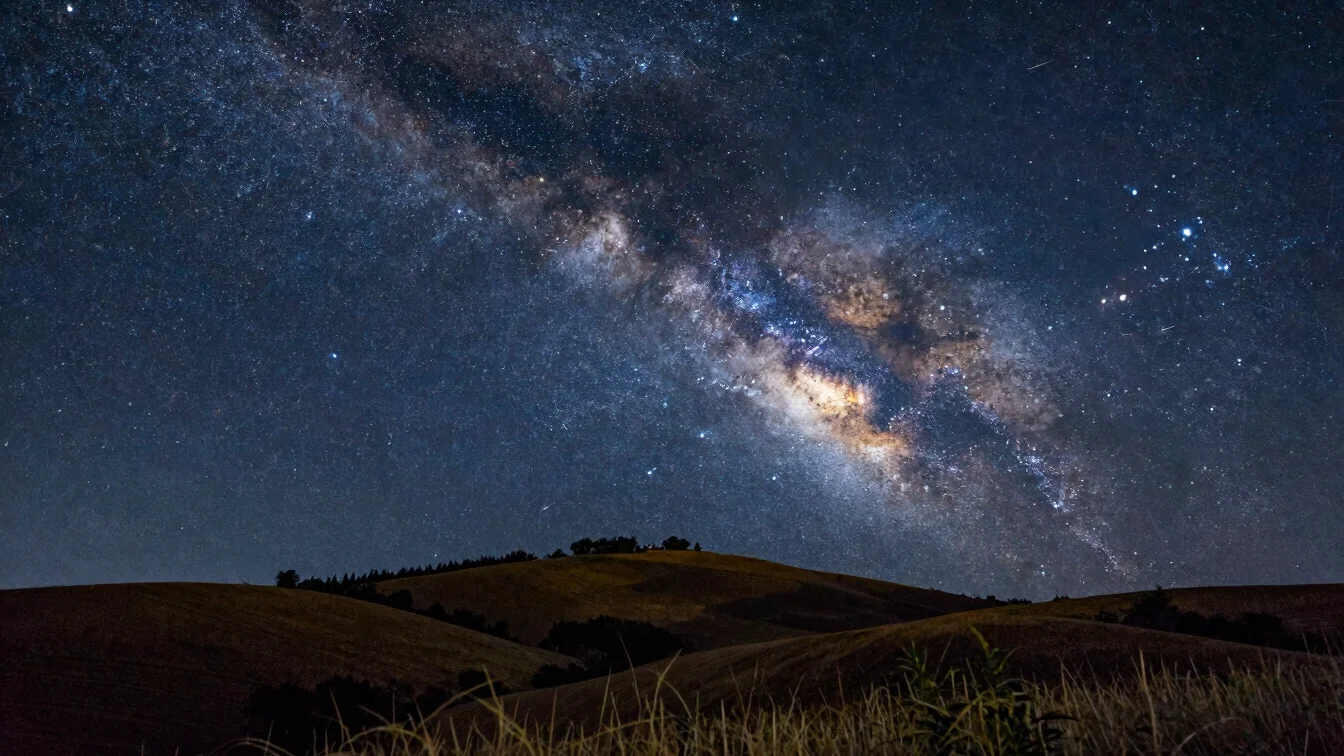
Summer: Lyra and Cygnus
Vega shines in Lyra, and Cygnus forms a large cross along the Milky Way. Both are excellent starting points for learning the summer sky with the naked eye.
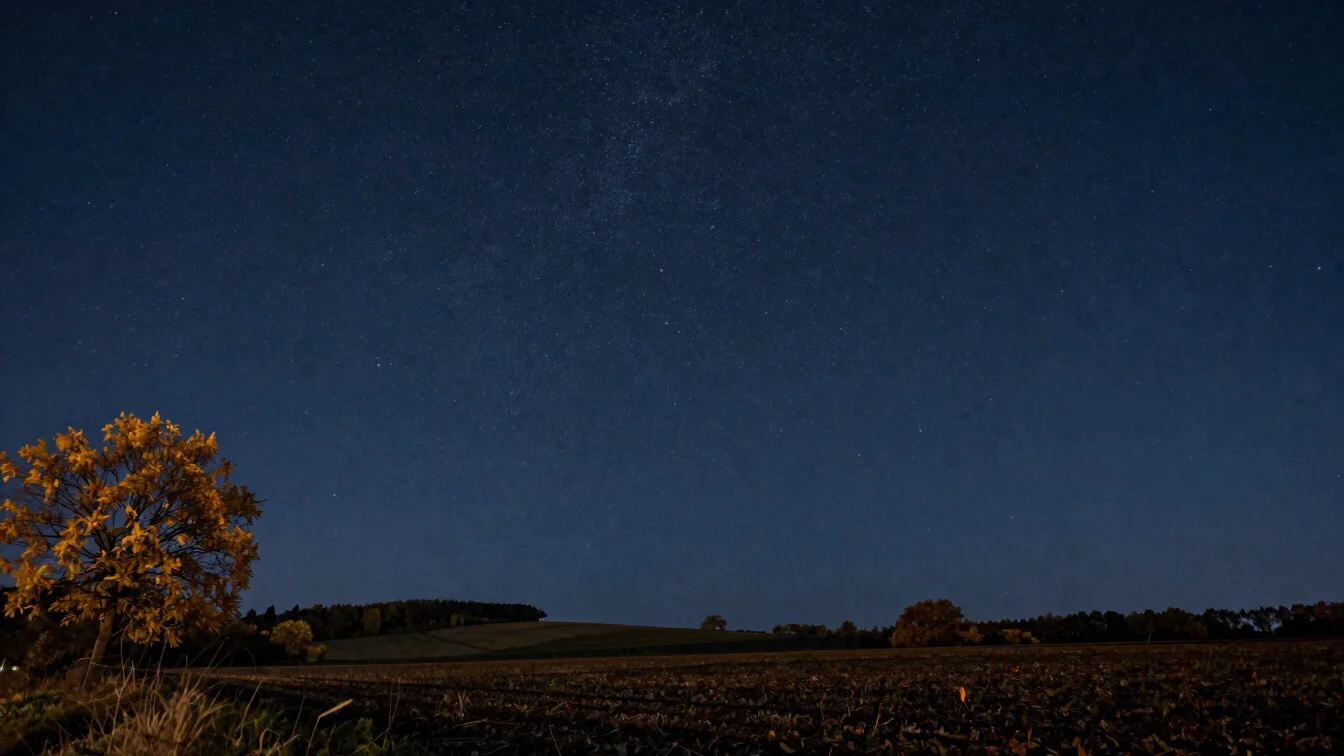
Autumn and winter: Pegasus and Orion
The Great Square of Pegasus marks the autumn sky, and Orion dominates the winter evenings. Orion's belt helps you locate many other objects nearby.
Stellar science
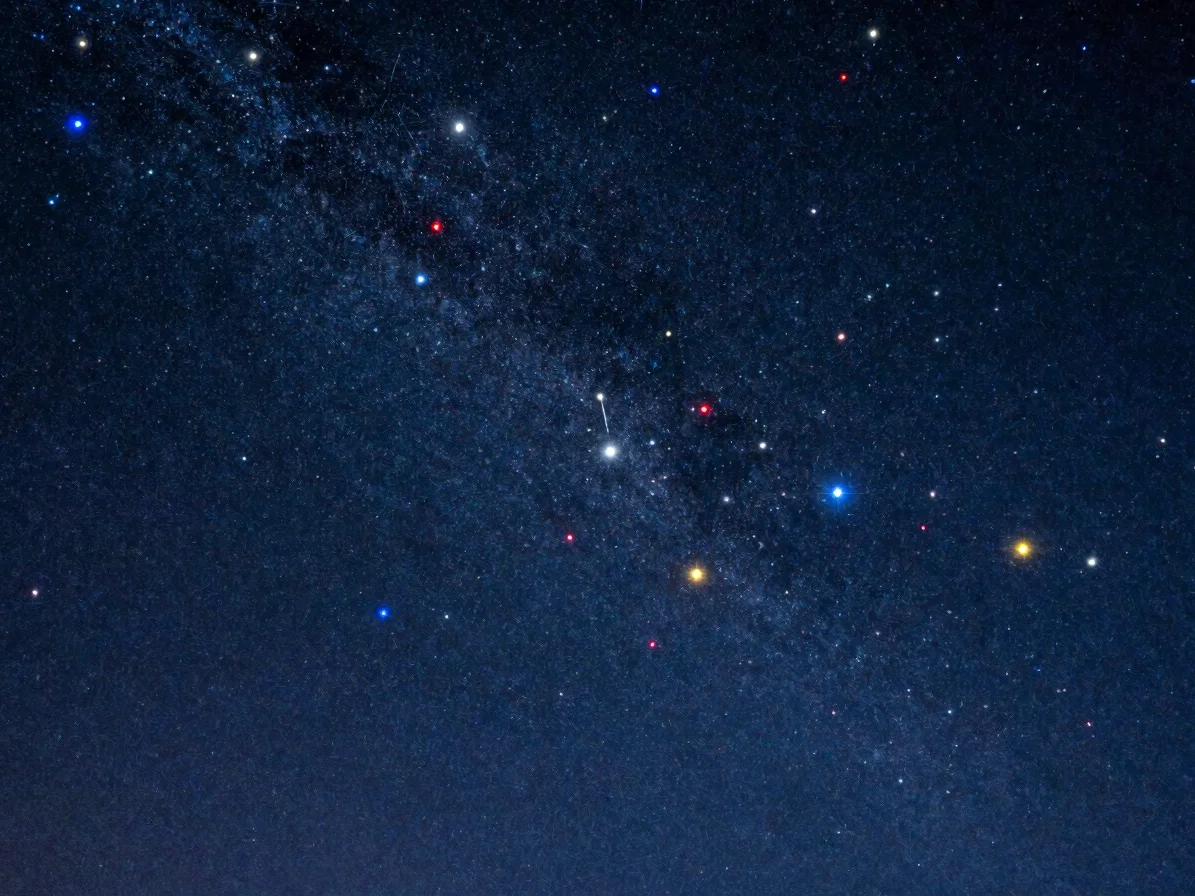
A star's color tells its temperature
A star's color reflects its surface temperature. Red supergiants are cooler, while hot blue stars burn at much higher temperatures. Astronomers measure this light to classify stars.
Stars form from clouds of gas and dust, then sustain nuclear fusion in their cores for most of their lives. Their final stages depend largely on their initial mass, a model supported by many observations. Some details of stellar evolution remain under active study.