Moon and Planets
Reading the Moon and planets through a modest aperture
Lunar relief and planetary motion are visible with binoculars and small telescopes. Learn what to expect, how shadows shift across the Moon's surface, and when planets offer their best views from France.
Observing targets
What to look for, and what is realistic
Each target rewards patience. Expectations matched to your instrument make the observation more rewarding.
The Moon
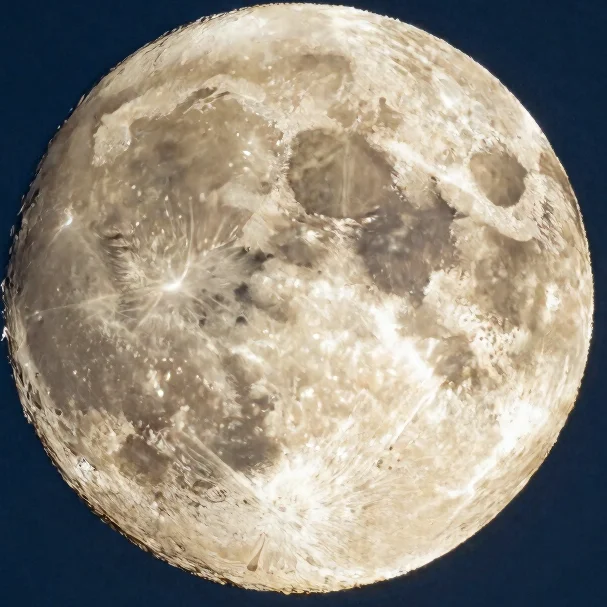
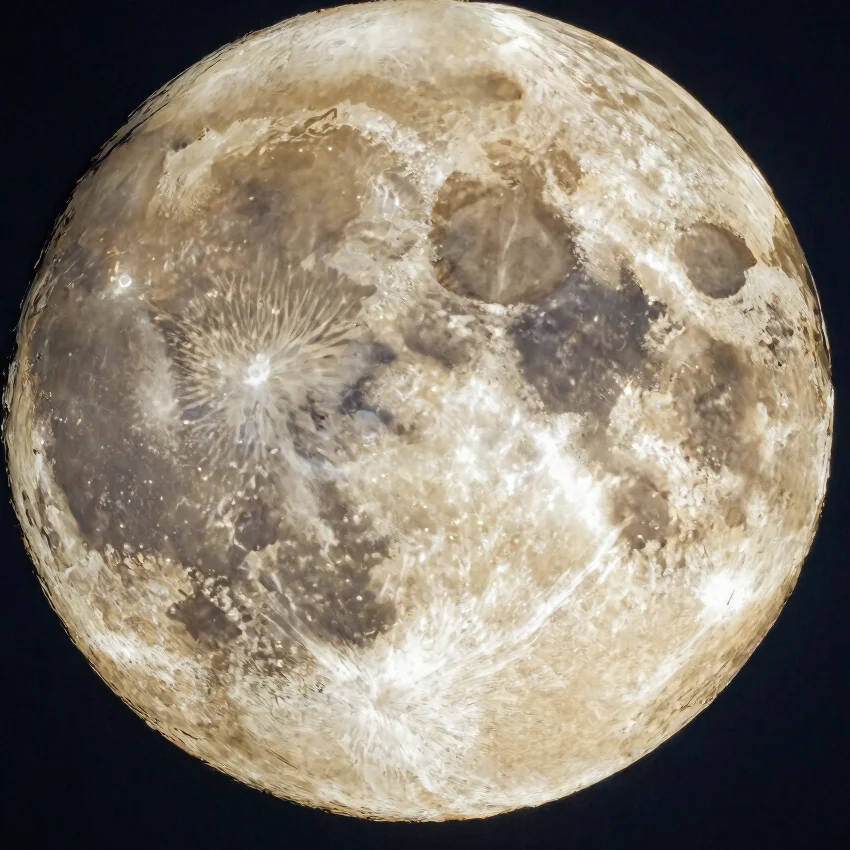
Craters, rilles, and maria change with the terminator, the line between light and shadow. Binoculars already reveal major features.
Jupiter and Saturn
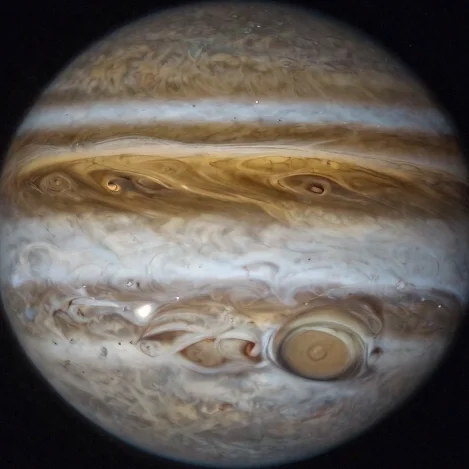
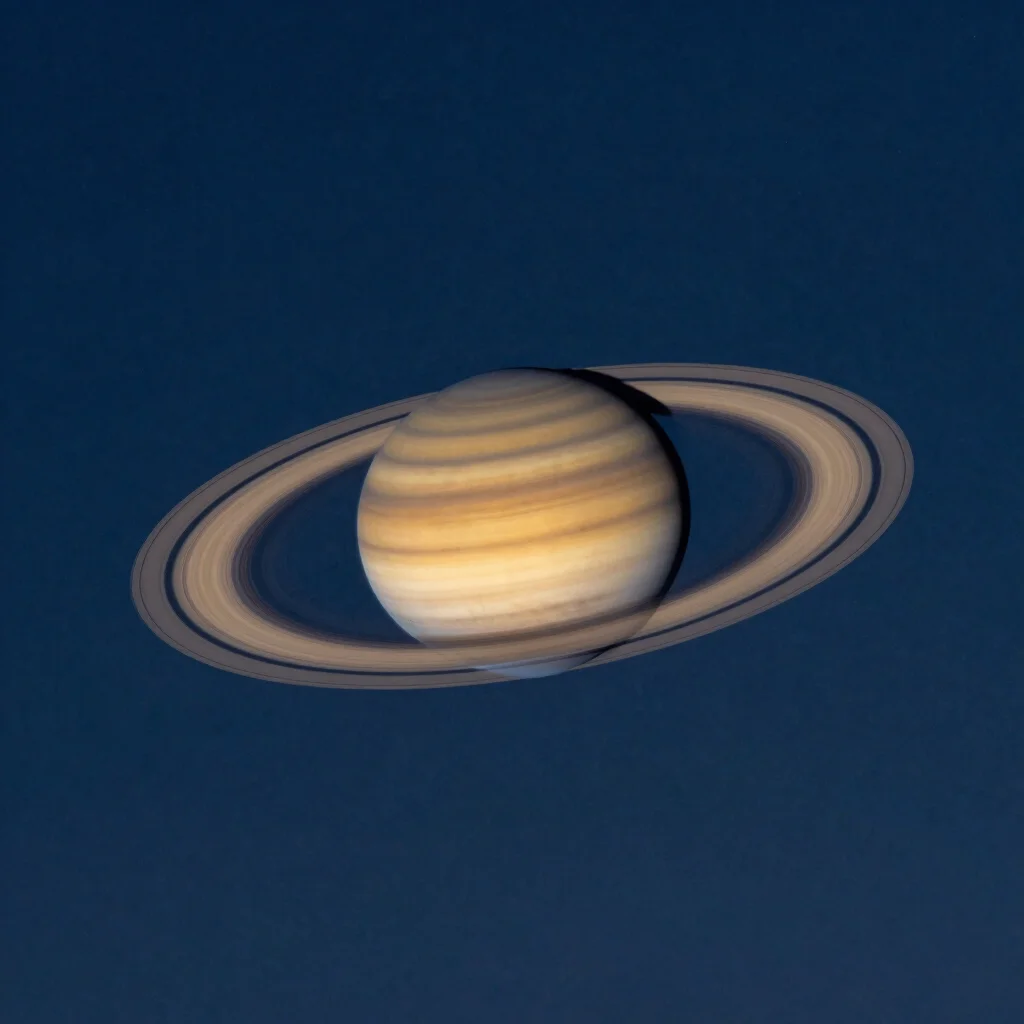
Jupiter's four Galilean moons and Saturn's rings are visible with modest amateur instruments. Saturn's rings appear as a clear, thin outline.
Mars
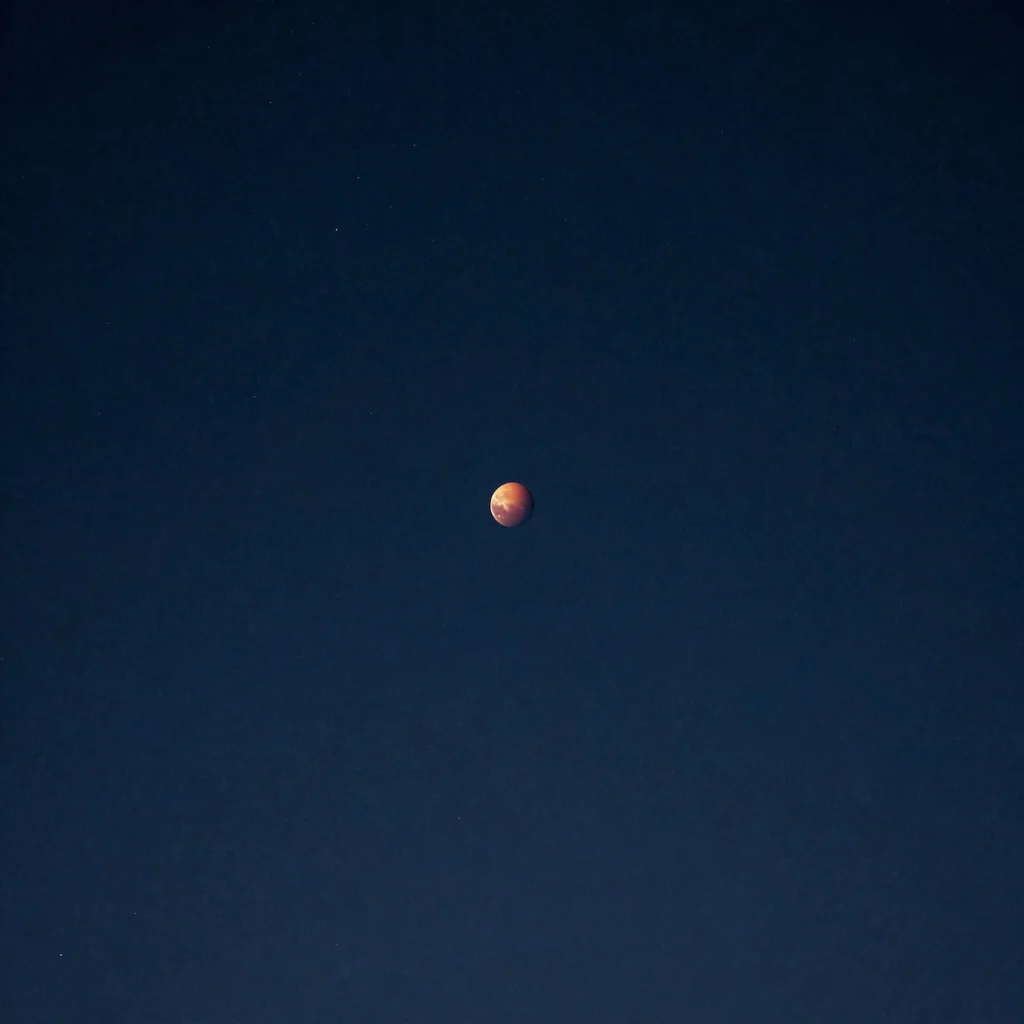
Mars shows surface detail mainly near opposition, when it is closest to Earth. Expect a small disk and subtle markings.
Lunar and planetary views
Craters, maria, and planetary alignments
Lunar phases reveal changing shadows across impact craters, rilles, and mare plains. Planetary oppositions offer optimal windows for surface detail from Earth.