Astrophotography
Capturing the night sky, from wide fields to planets
Start with a tripod and a wide lens for the Milky Way, then move toward motorized tracking and stacked exposures for galaxies, nebulae, and the Moon's surface.
Capture methods
Three core workflows
Each method builds on the last: frame the sky, keep stars sharp, then combine exposures for detail.
Step 1
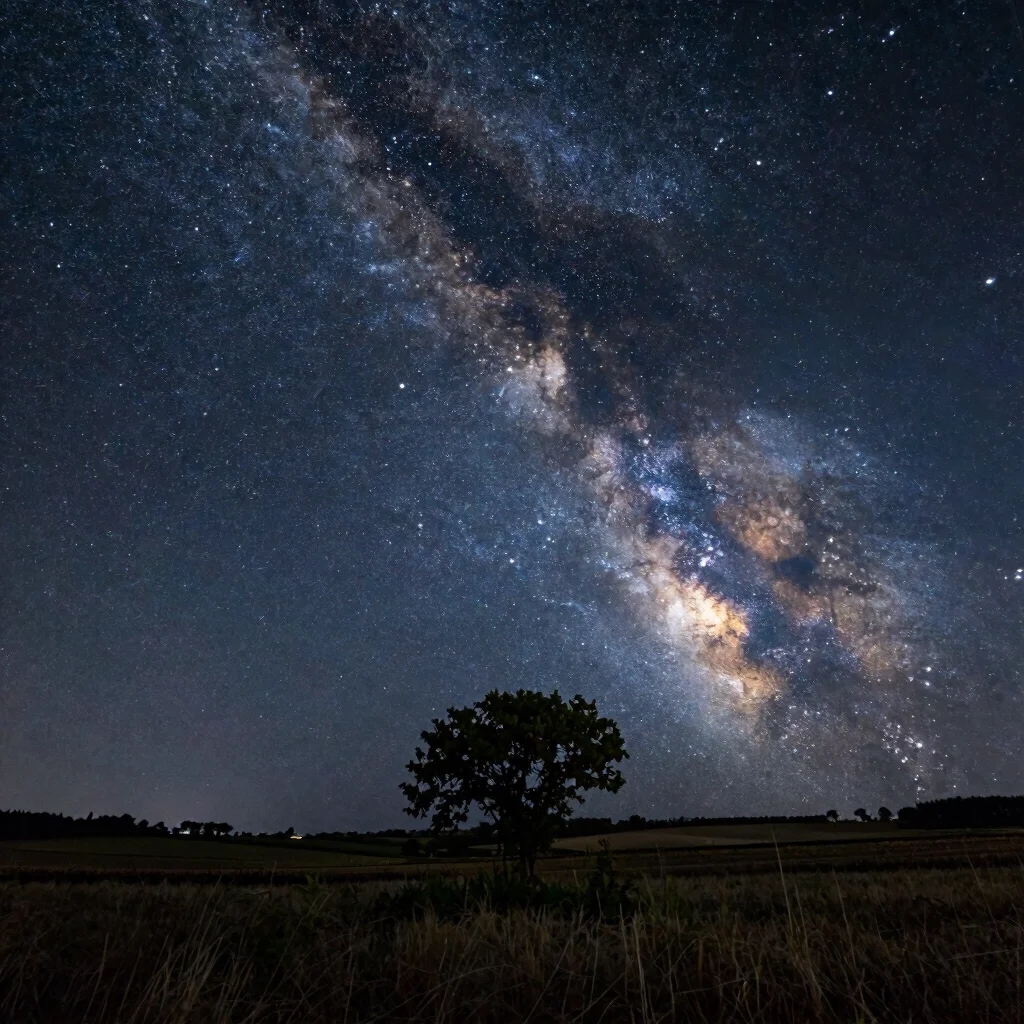
Nightscape with a tripod
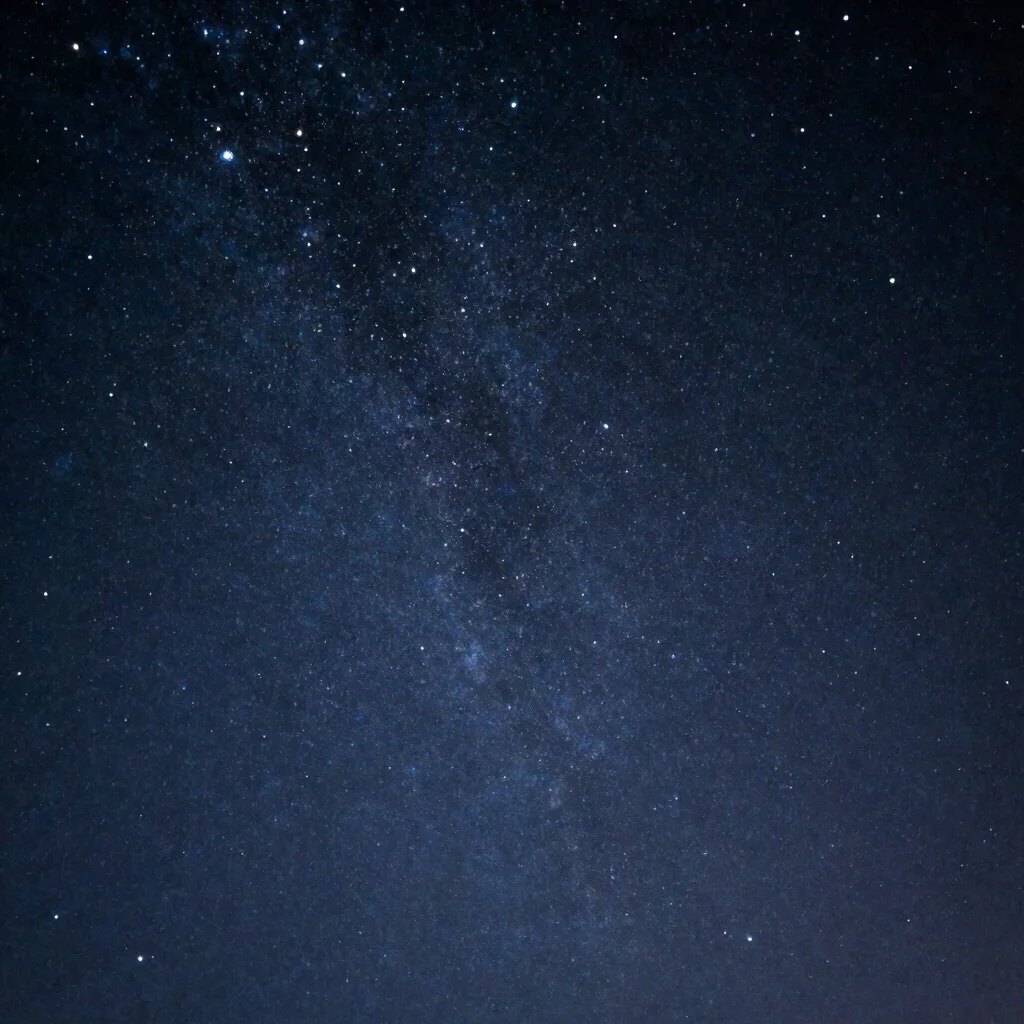
A wide lens on a stable tripod captures the Milky Way and constellations. Short exposures keep stars round, and the darkness of your site matters more than the gear.
Step 2
Focus with a Bahtinov mask
A Bahtinov mask placed over the telescope produces diffraction spikes that reveal the sharpest focus point. Refine the focus slowly, then remove the mask before shooting.
Step 3
Stack for depth
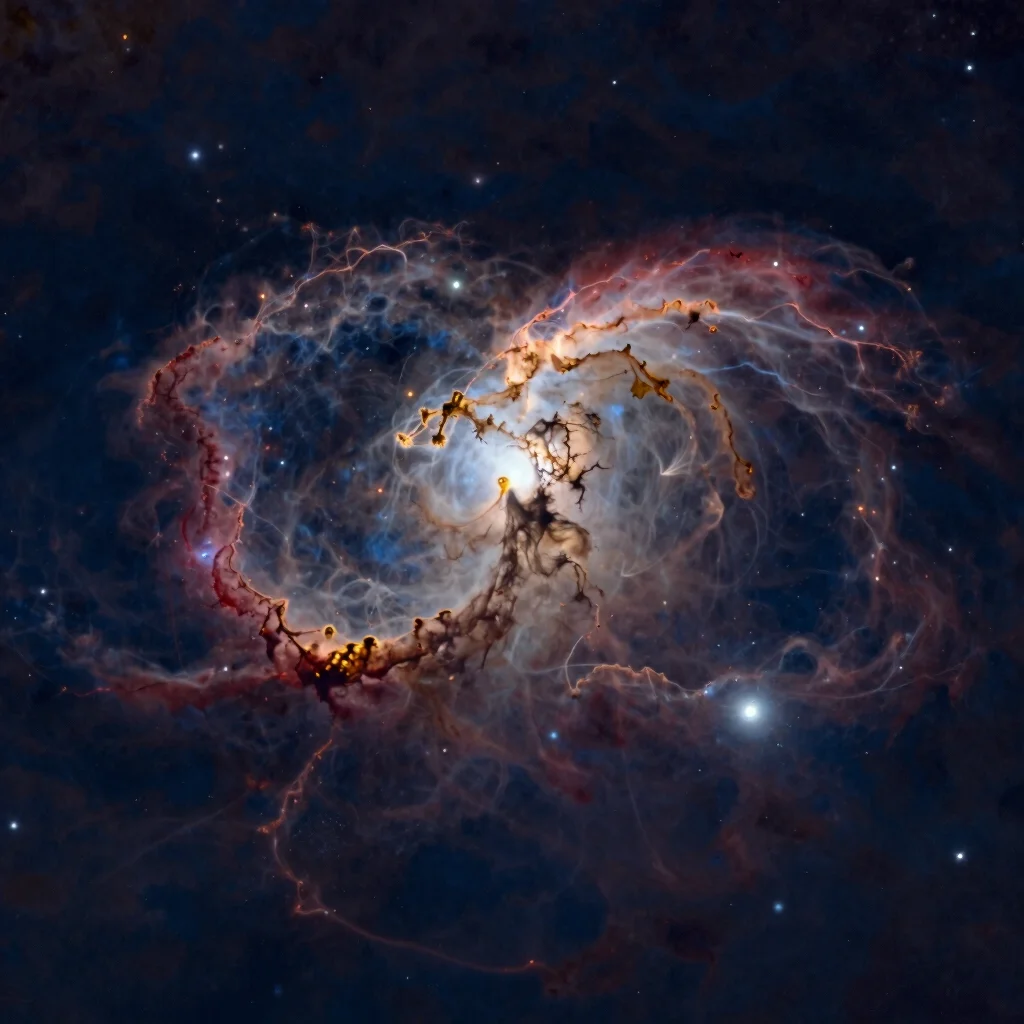
Tracking keeps the target steady over long exposures. Stacking dozens of frames raises the signal-to-noise ratio, revealing faint nebulae and distant galaxies that a single frame hides.
Amateur captures
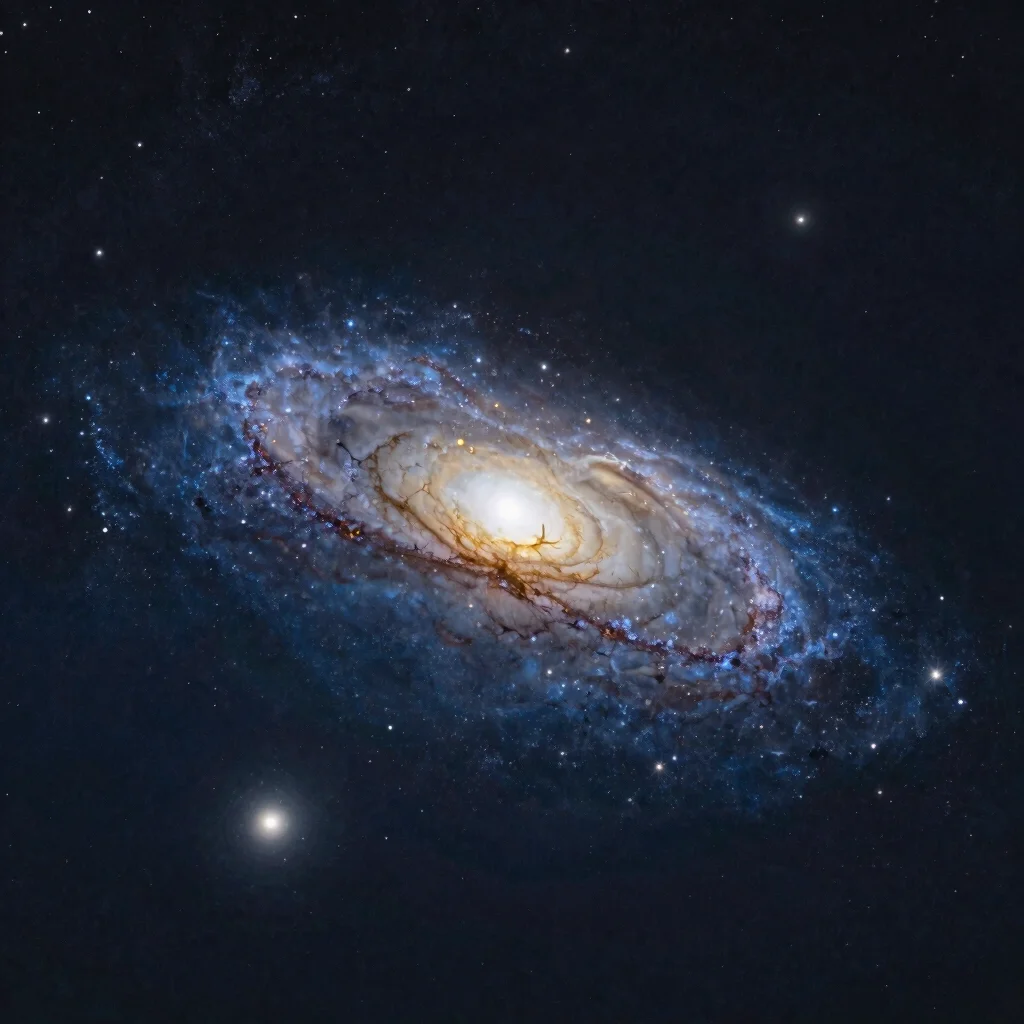
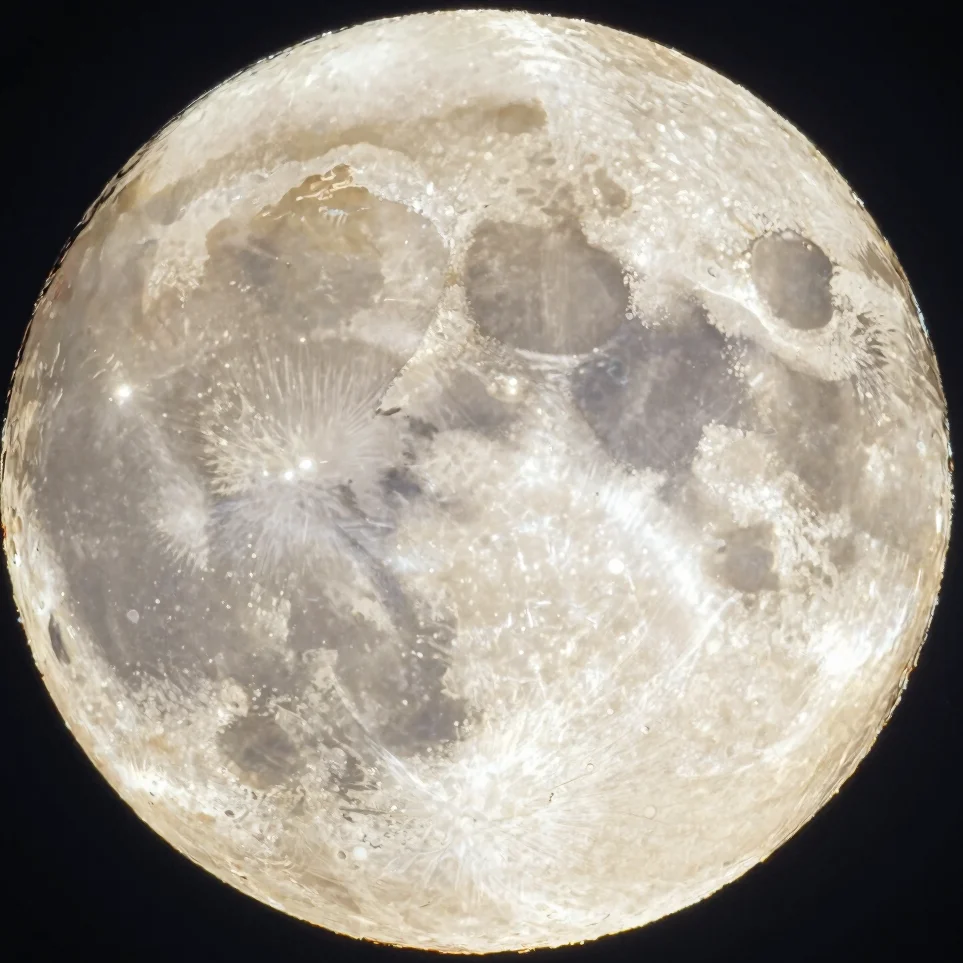
Galaxies, star fields, and the Moon
Each image is noted with its exposure settings and equipment so you can learn from the choices behind it.